Reading time: 6 minutes
Of interest to: Leisure accommodation, Day recreation, swimming pools, amusement parks
Imagine a hot summer day where temperatures rise early in the morning. The air feels heavy and humid, and even in the shade there is hardly any relief from the heat. Residents hide indoors, playgrounds remain empty and elderly people desperately search for places where the heat is more bearable. These scenes are becoming increasingly common in cities and towns across Europe. Not only during heatwaves, but even on normal summer days.
Heat stress is no longer an abstract concept. It has a visible impact on how residents experience life in their neighbourhoods and it increases pressure on the quality of life. Municipalities are receiving more and more questions and complaints about heat. Yet, when exploring solutions, they quickly run into challenges related to maintenance, safety regulations and limited budgets. Still, there are proven ways to reduce heat without increasing risks or long-term maintenance costs. In this blog, we explain what heat stress is, why it is intensifying so rapidly and which solutions municipalities can use to make neighbourhoods noticeably cooler and more pleasant.
What is heat stress?
- So, what is heat stress? Heat stress occurs when the human body absorbs more heat than it can release. This phenomenon is especially common in urban areas, where buildings, streets and squares absorb heat during the day and slowly release it at night. As a result, neighbourhoods remain warm for long periods and the ****heat index (the perceived temperature) can be significantly higher than the reported air temperature.For vulnerable groups, this has direct consequences. Elderly people, young children and those with existing health conditions are less able to cope with excessive heat. They tire more quickly, sleep poorly and feel uncomfortable or unsafe in outdoor spaces. Therefore, heat stress becomes not only a physical issue, but also a social challenge that affects everyday life.
Why is heat stress more prevalent these days?
Cities heat up faster than rural areas
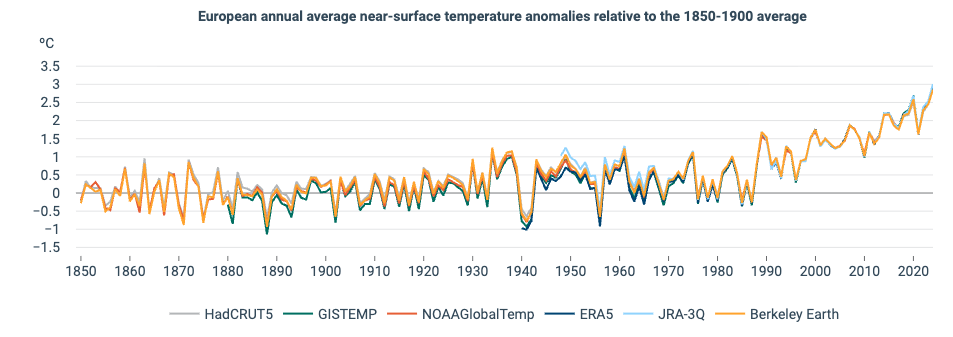
Europe is getting warmer. Long summers and recurring heatwaves have become the new normal. In urban environments, this accelerates even further due to dense construction that traps heat. Streets hardly cool down at night, meaning residents start each day with a higher baseline temperature that continues to rise.
Urban hardscapes and lack of cooling elements
Many neighbourhoods have been designed with hard surfaces and limited space for greenery or water for years. Large paved squares and asphalt streets absorb and retain heat, creating outdoor spaces that are increasingly unpleasant to use, especially during periods of excessive heat.
Shortage of shade and greenery
Shaded areas are scarce, particularly in newer neighbourhoods where trees are still young. Until greenery matures, these areas remain highly vulnerable. Residents withdraw indoors not by choice, but because it is simply too hot to stay outside, reducing social interaction and community cohesion.
What does heat stress mean for life in cities?
Heat stress directly affects daily life. Health complaints such as headaches, dizziness and sleep disturbances increase, especially among people sensitive to temperature extremes. Children are also less able to play outdoors, as playground surfaces and equipment become dangerously hot.
At neighbourhood level, the impact is clearly visible. Areas that usually function as social meeting points are suddenly avoided. The heat makes outdoor spaces unattractive, pushing residents indoors or towards scarce air-conditioned locations. This weakens social cohesion at precisely the time when connection and community support are most important.
Why should municipalities take heat stress seriously?
For policymakers, heat stress is not just a climate issue. It directly affects public health, safety, wellbeing and how residents perceive the quality of their living environment. At the same time, decisions must fit within strict budgets, regulations and maintenance responsibilities.
Many municipalities consider water-based solutions but hesitate due to concerns about maintenance, legionella, vandalism or technical reliability. As a result, practical, safe, and cost-effective options are often overlooked. Yet water is one of the most direct and proven ways for reducing the perceived temperature and restoring the usability of public spaces, especially when integrated into a broader municipality heat plan as part of long-term climate adaptation.
Why should municipalities take heat stress seriously?
For policymakers, heat stress is not just a climate issue. It directly affects public health, safety, wellbeing and how residents perceive the quality of their living environment. At the same time, decisions must fit within strict budgets, regulations and maintenance responsibilities.
Many municipalities consider water-based solutions but hesitate due to concerns about maintenance, legionella, vandalism or technical reliability. As a result, practical, safe, and cost-effective options are often overlooked. Yet water is one of the most direct and proven ways for reducing the perceived temperature and restoring the usability of public spaces, especially when integrated into a broader municipality heat plan as part of long-term climate adaptation.
A cooler, more liveable city starts with feasible solutions
Heat stress is a growing challenge, but it also offers an opportunity to make neighbourhoods more attractive and resilient. Public spaces that invite people to stay, play and meet enhance not only individual wellbeing but also the social resilience of communities.
Vortex has been supporting municipalities, designers and contractors for over thirty years in safely and effectively (re)introducing water into public spaces. From initial concept to final delivery, we provide technical certainty, realistic solutions and guidance that builds trust.
Curious about what’s possible in your municipality? Contact Vortex for expert advice and full-service support. Together, we create public spaces that work, for residents and for long-term management.

Related news
Downloads
Coolhub
 en
en


Splashpad Product Index
en
Vortex Brochure
en
Waterslides brochure
en